
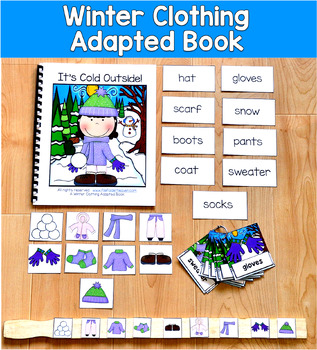
Winter Clothing Adapted Book | Vocabulary Sequencing Sorting | SLP SPED Autism
Download this book instantly with an active AdaptedBooks membership.
DownloadBy the special-ed teacher behind File Folder Heaven — rated 4.95★ across 27,000+ teacher reviews on TPT.
This Winter Clothing Adapted Book, "It's Cold Outside," teaches winter clothing vocabulary through a fun, rhyming, interactive story. Students match a picture and word to each page as the teacher reads, then extend learning through four supplemental activities targeting sequencing, sorting, positional concepts, and vocabulary labeling.
🧤 Perfect for:
- Speech-Language Pathologists (SLPs) targeting clothing vocabulary, sequencing, prepositions, and categorization goals
- Special Education teachers building winter thematic units
- Autism classrooms needing structured, interactive winter activities
- Occupational Therapists working on fine motor skills (Velcro manipulation) and dressing vocabulary
- ABA therapists running discrete trial vocabulary programs
- Early Childhood, Pre-K, and Kindergarten teachers
- Homeschool families with young learners
❄️ What's Included:
- 1 Adapted (interactive) book — It's Cold Outside
- 1 Sequencing stick activity
- 1 Sorting / classification activity
- 1 Positional concepts (prepositions) activity
- 1 Set of vocabulary labeling cards
🎯 Skills Targeted:
Winter clothing vocabulary, sequencing and story retell, sorting and classification, positional concepts (in, on, under, beside), vocabulary labeling and expressive language, visual discrimination, listening comprehension, following directions, and fine motor skills.
Sample Text:
"It's cold outside, and I see snow.
I'll dress myself from head to toe.
First I step into my pants, a
nd shimmy-shake a 'warm-legs' dance.
Next I slip into my sweater.
My chilly arms are feeling better!"
How to Use:
In a small group, the teacher or therapist reads the story while students match a word and picture to each page. After the book, extend the lesson with the supplemental activities — sequencing, sorting, positional concepts, and vocabulary labeling. Independent learners can complete the activities in a work station or literacy center.
⛄ Ways to Use:
- Winter thematic units (December–February)
- Speech therapy small group sessions
- ABA discrete trial vocabulary teaching
- Independent work systems (TEACCH)
- Literacy centers and morning meetings
- OT sessions targeting dressing vocabulary and fine motor
- Take-home homework and tele-therapy practice
Related adapted books
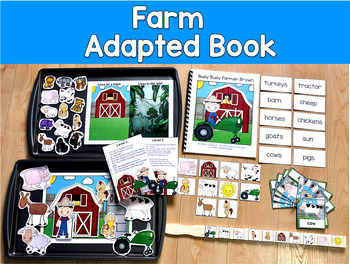
Farm Adapted Book & Vocabulary Activities | Busy, Busy Farmer Brown
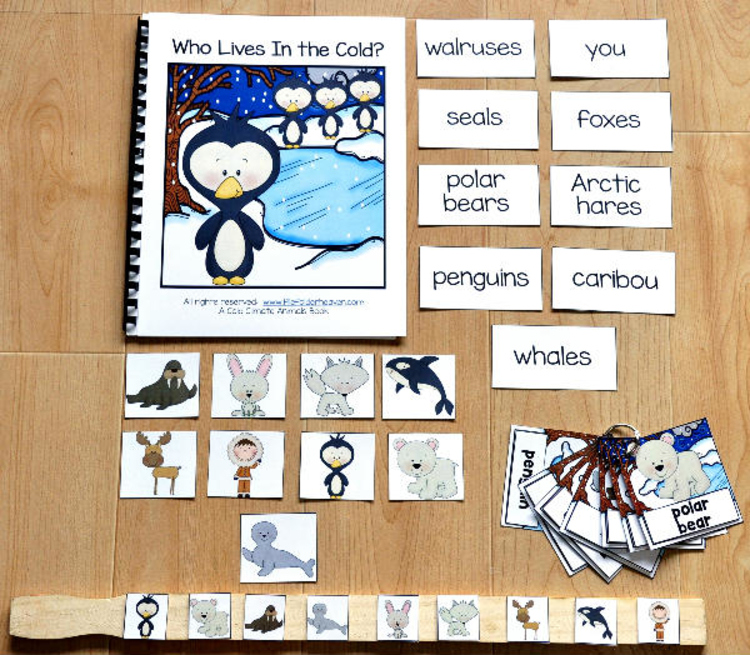
Cold Climate Animals Adapted Book | Arctic Animals | Science Special Ed
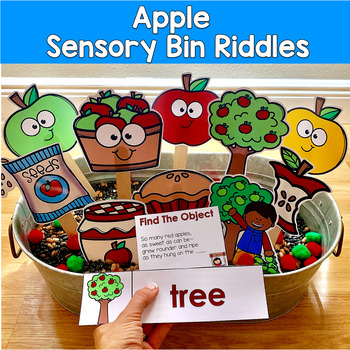
Apple Sensory Bin Riddles | Hey Riddle Riddle Inferencing | SLP SPED Autism PreK
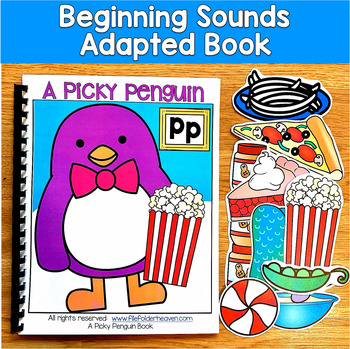
Beginning Sounds Adapted Book | Letter P Penguin Articulation | SLP SPED Autism
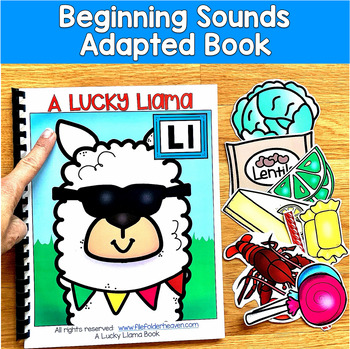
Beginning Sounds Adapted Book | Letter L Articulation | SLP SPED Autism PreK
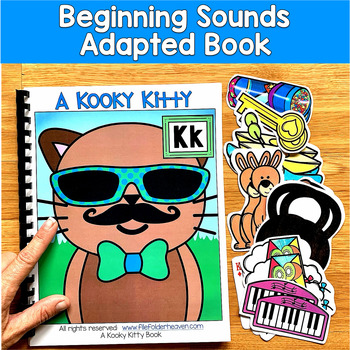
Beginning Sounds Adapted Book | Letter K Articulation | SLP SPED Autism PreK
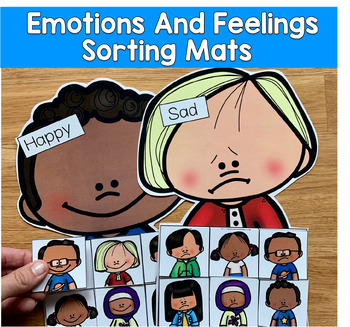
Emotions & Feelings Sorting Mats 1 | SEL Speech Therapy Special Education
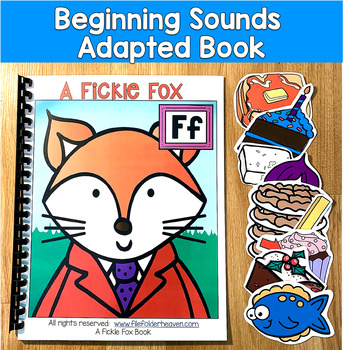
Beginning Sounds Adapted Book | Letter F Sound Fox | SLP SPED Autism Phonics
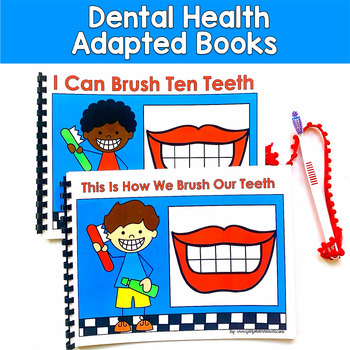
Dental Health Adapted Books
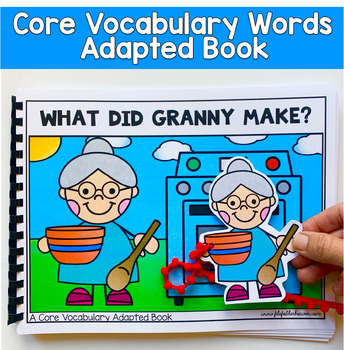
Core Words Adapted Book And Activities: "What Did Granny Make?" Core Word Make
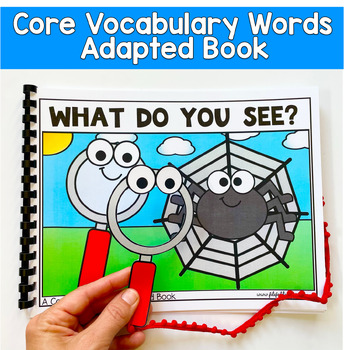
Core Words Adapted Book And Activities: "What Do You See?" Core Word See
Core Words Adapted Book And Activities: "What Did Lucky Make?" Core Word Make
Reviews
No reviews yet — be the first to share how this book worked with your students.
Sign in to leave a review — reviews come from real AdaptedBooks accounts.